
The Cost of the Court’s Traditions
The RookThis flow follows the pressure exerted by inherited hierarchy and ceremonial authority on the people expected to govern the Checquy.
increasing Bearing strength in each event
 decreasing
Bearing strength in each eventdecreasingChess Pieces as Offices

Chess Pieces as Offices
Rank made visible
The Checquy organizes its leadership through chess-derived titles such as Rook, Bishop, Chevalier, and Pawn. Tradition preserves a recognizable structure but also produces awkward rules, status distinctions, and limits on who may command.
The system offers coordination in a secret organization, yet its symbolism can encourage members to think of people as pieces to be moved or sacrificed.
The Retainer Divide
The Retainer Divide
Service without equal standing
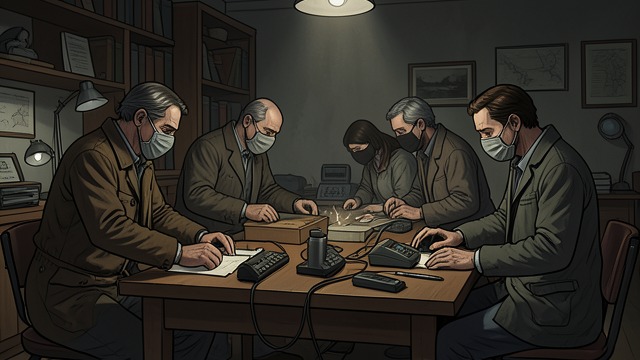
Retainers provide administration, security, medical care, and other essential work, but they cannot join the Court because they lack supernatural powers. The distinction is defended as tradition and necessity even when Retainers demonstrate exceptional ability.
The divide creates resentment that the Grafters can exploit. An institution that depends on loyal staff but denies them full recognition makes its internal bonds easier to fracture.
Ceremony Against Reality

Ceremony Against Reality
Politeness conceals danger
The Checquy gathers for a carefully arranged reception while members of the Court and their staff carry hidden weapons and conflicting loyalties. Formal dress and established etiquette fail to protect the guests once the coup begins.
The event exposes the distance between ceremonial unity and actual trust. Tradition can organize a gathering, but it cannot guarantee that those present share a common purpose.
A Vacancy in the Hierarchy
A Vacancy in the Hierarchy
The institution must choose again
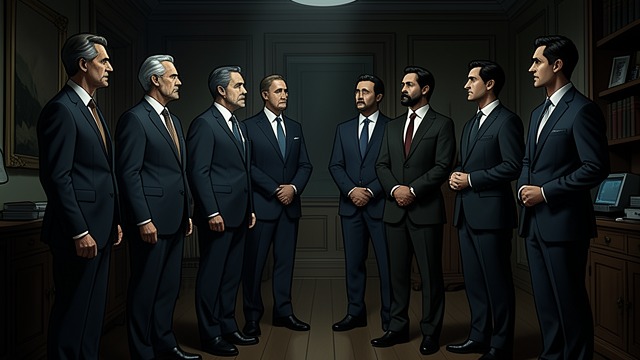
The deaths and exposure of senior members leave vacancies that require nominations and political approval. Myfanwy questions a system that reserves command for powered people even though her own greatest contribution has been administrative judgment.
The opening creates a chance to reconsider who is allowed to lead. It also risks reproducing the old hierarchy under emergency pressure.
Tradition Under Revision
Tradition Under Revision
A different Court imagined
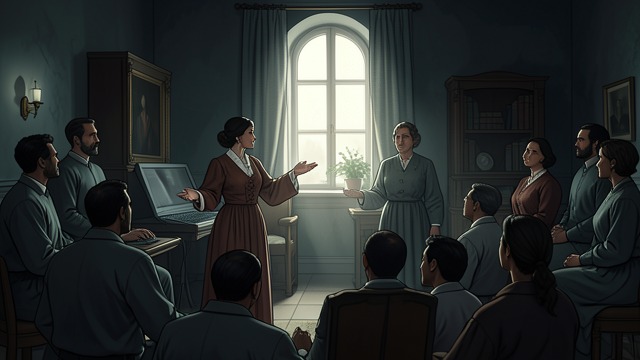
After the conspiracy is exposed, Myfanwy considers promoting people who would not fit the inherited powered-command rule and seeks greater representation among senior leaders. She does not know whether the Court will accept the change.
Her idea reflects a larger question: whether the Checquy can protect Britain better by changing its traditions instead of defending them automatically. The possibility of reform remains open rather than resolved.
The institutional history explained during the first week
During Myfanwy’s first week
At the formal reception
After Gestalt and Gubbins are lost
Near the ending
